
Best AI Detector Tools of 2026 — Compared & Honestly Reviewed
AI-generated text is everywhere — in classrooms, newsrooms, and hiring inboxes. But which AI detector can you actually trust? We compare the most popular AI detection tools — GPTZero, Originality.ai, Turnitin, ZeroGPT, and more — using published accuracy data, documented features, pricing, and real user feedback. No sponsored rankings, no marketing claims repeated as fact: just real accuracy numbers, practical guides, and the latest AI detection news, so teachers, editors, and writers can make confident decisions.
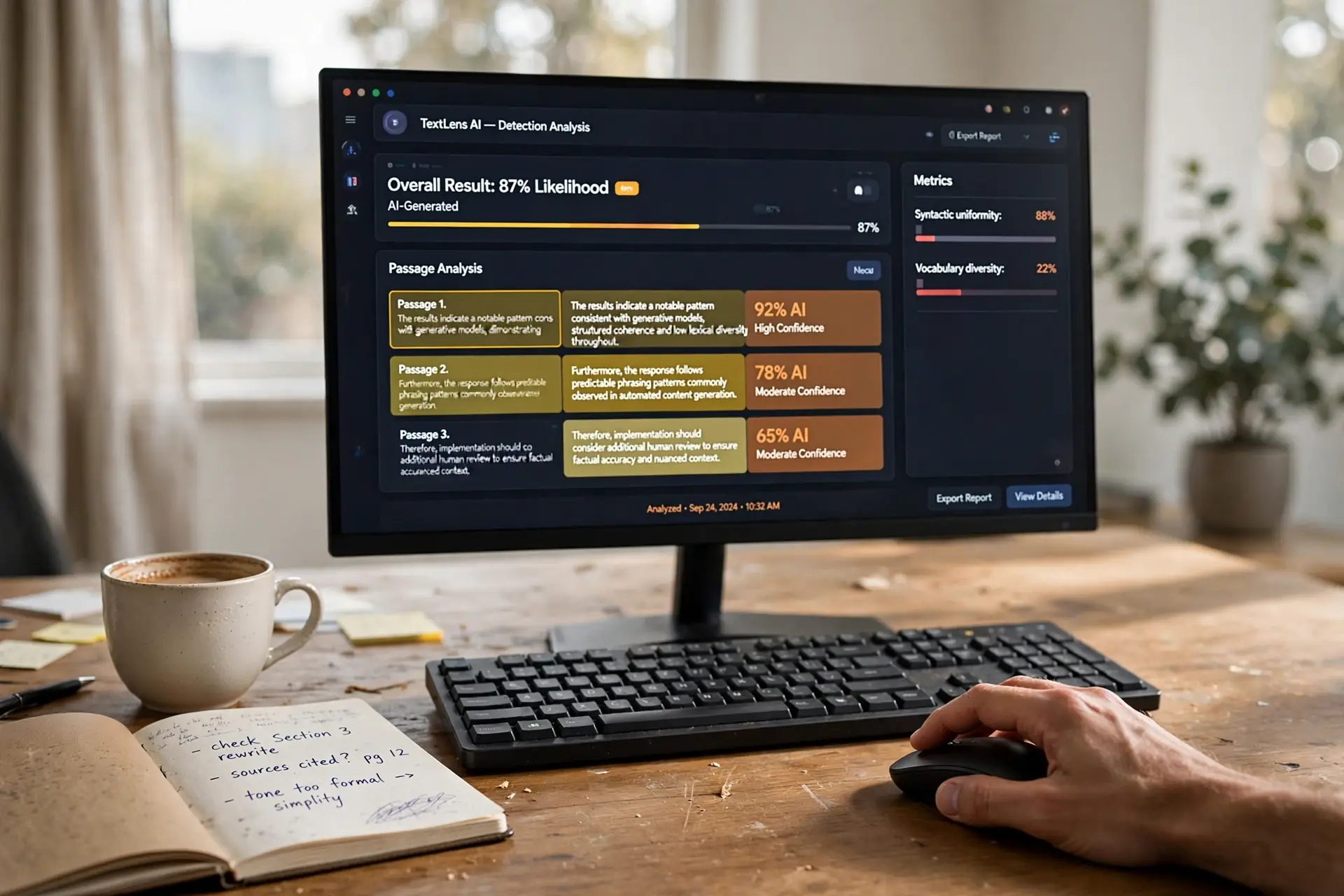
New to AI Detection? Start Here
An AI detector is software that estimates whether a piece of text was written by a person or generated by an AI model. It looks for statistical fingerprints — how predictable the word choices are (perplexity), how much sentence length and structure vary (burstiness), and other patterns that tend to differ between human and machine writing.
No detector is perfect. Accuracy varies widely between tools, and every detector can be fooled by paraphrasing, translation, or heavy human editing — while occasionally flagging genuine human writing as AI, a problem known as false positives. That is exactly why independent, repeatable testing matters more than any single percentage score. On this page you will find our latest head-to-head comparisons, plain-English guides, and ongoing coverage of AI detection research.
Browse by Topic
AI Detector Reviews
Side-by-side accuracy tests of the tools everyone asks about — GPTZero vs ZeroGPT, Turnitin vs Originality.ai, and our regularly updated best-of roundup.
AI Detection Guides
Plain-English explainers: how detectors work, why they fail, how to dispute a false accusation, and how to spot AI-generated images and deepfakes.
Undetectable AI & News
Paraphrasing tools, AI watermarking, C2PA and SynthID, plus the latest research and policy news shaping AI content detection.
Latest AI Detector Reviews & Comparisons
Every review below is based on hands-on testing with the same sample set — read the full methodology further down this page.

What Is the Best AI Detector in 2026? 7 Tools Compared
We put seven leading AI detectors through identical human, AI, paraphrased, and mixed writing samples. See which tools earned our recommendation — and which to avoid.

Turnitin vs Originality.ai: Which AI Detector Should You Use in 2026?
The two biggest names in AI detection, tested head-to-head on academic and professional writing samples.
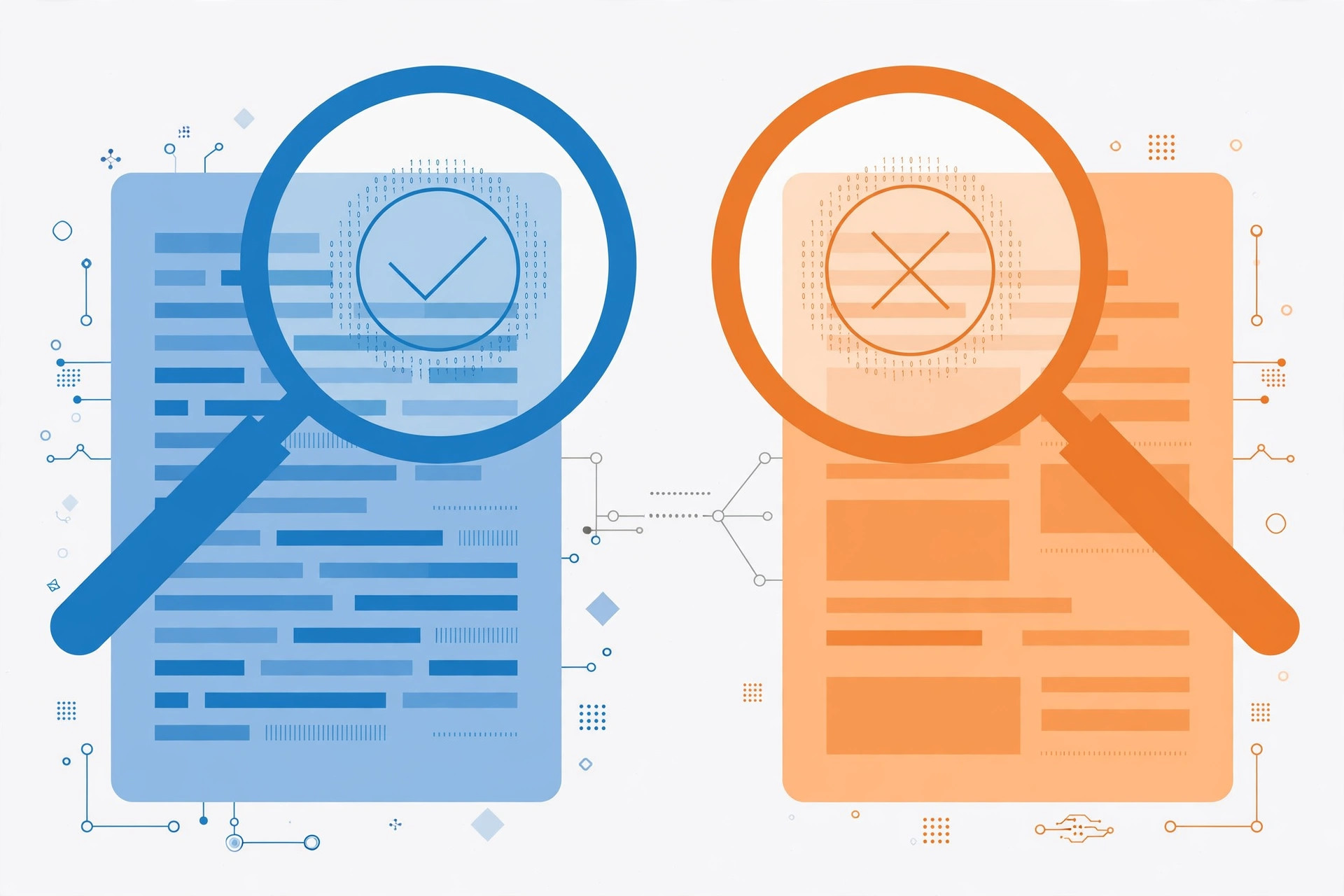
GPTZero vs ZeroGPT: Which AI Detector Should You Use in 2026?
Two popular free detectors go head-to-head. We measured accuracy, false-positive rates, and ease of use.
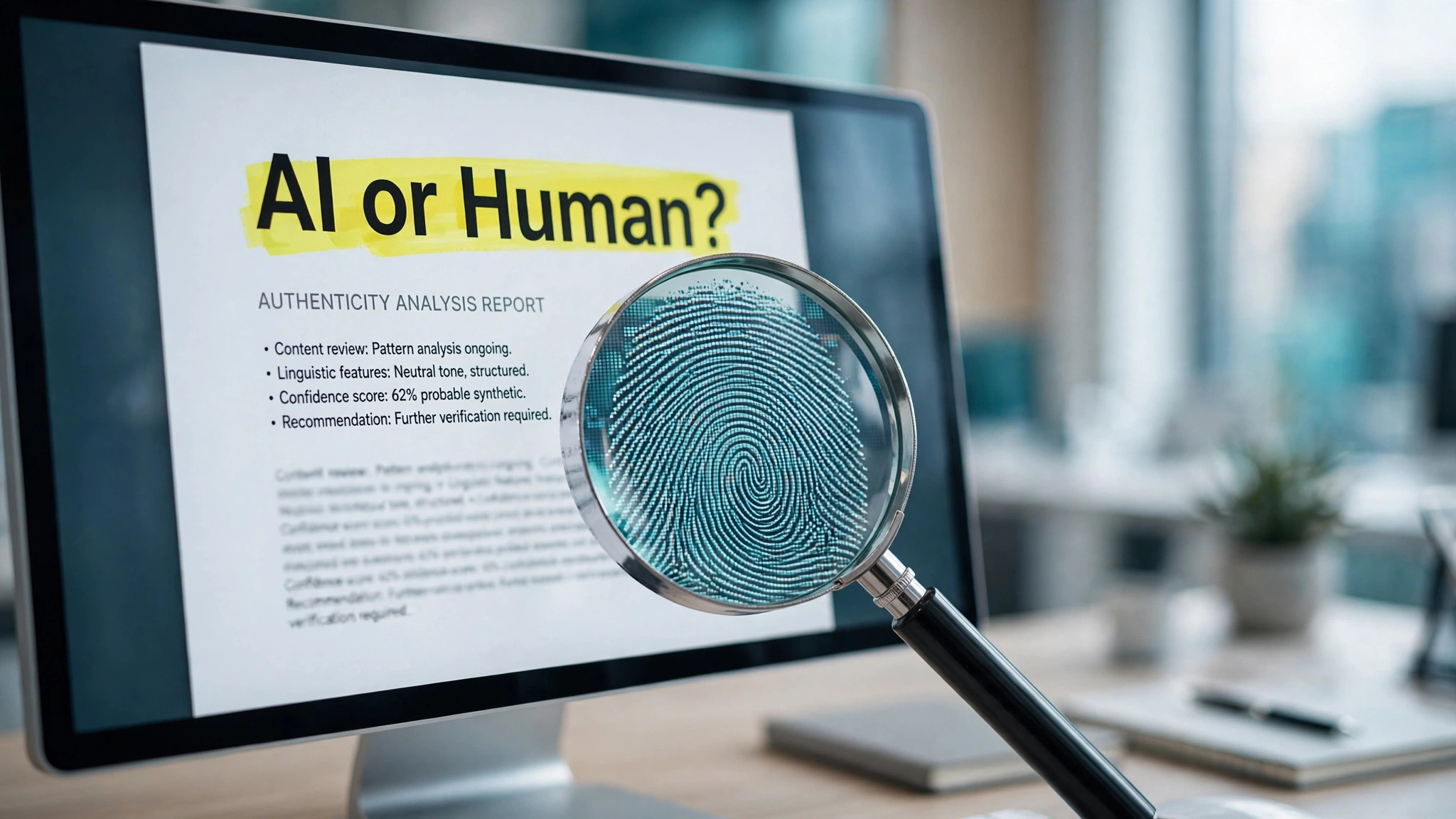
How Accurate Are AI Detectors? What the 2026 Research Actually Says
We dig into the latest studies and our own test data to answer the question everyone asks — with numbers, not hype.
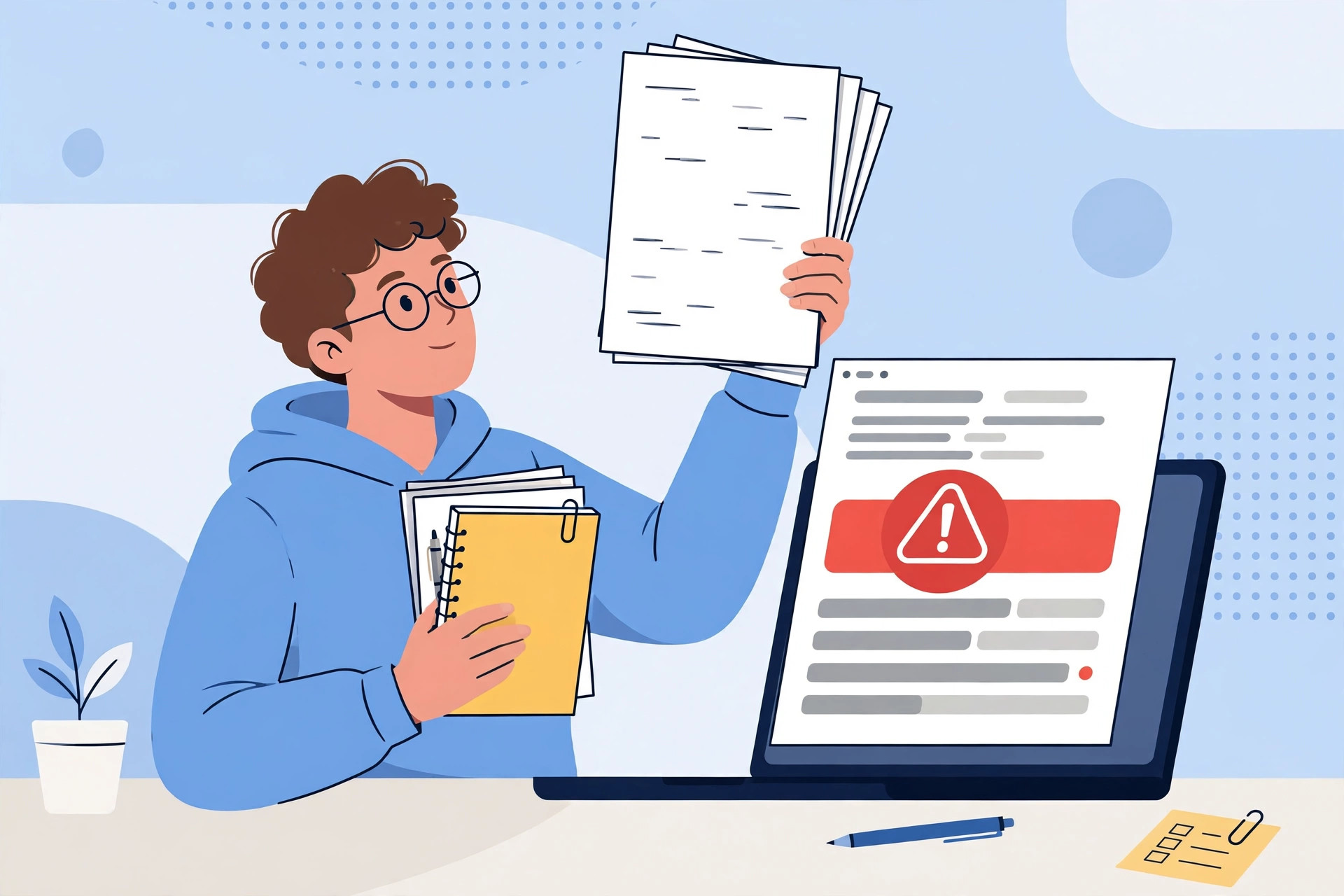
Falsely Accused of Using AI? Here’s What to Do Next
A calm, step-by-step plan: gather your drafts, understand the accusation, and request a fair human review.

How Can I Tell If an Image Was Made by AI?
Beyond text: the visual clues, metadata checks, and tools that reveal AI-generated images.
How We Test AI Detectors
Marketing pages love big accuracy numbers. We prefer evidence. Every AI detector we review goes through the same four-step process:
- Same sample set, every tool. We test each detector against an identical mix of human-written essays, raw AI-generated text, paraphrased AI text, and human-AI hybrid writing — so results are directly comparable.
- We measure what matters. True-positive rates on AI text, false-positive rates on human writing (including text by non-native English speakers, who are disproportionately flagged), and performance on edge cases like code and short passages.
- We retest after updates. Detection models change constantly. We rerun our sample set whenever a tool ships a major update, and we note when scores shift.
- No pay-to-rank. Our rankings cannot be bought. When we use affiliate links, they are clearly labeled and never influence scores.
The result: comparisons you can actually use to choose a detector — whether you are an educator drafting an AI policy, an editor screening submissions, or a freelancer documenting that your work is genuinely yours.
AI Detector FAQ
What is an AI detector?
An AI detector is a tool that estimates the likelihood that a piece of text was written by an AI model rather than a human. It analyzes statistical patterns in the writing — such as perplexity (how predictable the word choices are) and burstiness (how much sentence structure varies) — and returns a probability score or classification. Think of it as a screening instrument, not a lie detector: useful as one signal among many, never as sole proof.
How accurate are AI detectors?
It depends on the tool and the text. In our 2026 testing, leading detectors correctly flagged most unedited AI-generated text, but accuracy dropped sharply on paraphrased content and human-AI hybrids. False positives are a real problem — studies have repeatedly shown detectors disproportionately flag writing by non-native English speakers. Always combine detector results with human judgment.
Can AI detectors detect ChatGPT text?
Often, yes — when the text is raw, unedited ChatGPT output. But paraphrasing tools, translation round-trips, or substantial human rewriting can reduce detection rates dramatically. No current detector reliably catches well-disguised AI text, which is why policies built on a single score tend to fail.
Can Turnitin detect AI writing?
Turnitin offers an AI writing detection report aimed at academic prose, and it is widely used in schools. Like every detector, it produces both false positives and false negatives. If you are a student, know your institution’s policy; if you are an educator, treat any AI score as the start of a conversation — not a verdict.
I was falsely accused of using AI. What should I do?
Don’t panic. Gather evidence of your process — drafts, version history, notes, and outlines — and ask exactly what triggered the accusation and which tool was used. Request a human review of your work and your writing history. Our step-by-step guide walks through the full dispute process calmly and effectively.
Are free AI detectors reliable?
Free detectors are fine for quick, low-stakes checks, but they tend to be less accurate, impose strict word limits, and update less often than paid tools. For anything important — grading, publishing, hiring — use a reputable tool, run multiple checks, and always let a human make the final call.
Stay Ahead of AI-Generated Content
AI models get better every month — and so do the tools built to detect them. Bookmark this page: we update our comparisons whenever major detectors change, and we publish new test results, guides, and research breakdowns every week.